#184 –Aimee Shaw - A Conversation about the Sacred
Transcript
What exactly does it mean to share your hotness? We all have our own unique spark. We are burning out of control like a wildfire, attracting attention, but is it the right kind of attention? All around us are people who are campfires. They don't get as much attention, but their story, their signature spark, their heat that attracts us close to them Those stories need to be shared. On this podcast, we're sharing their stories, their stories of resilience, overcoming, how to find joy, happiness, everyday people who found their spark and made their life amazing. Hello and welcome to this episode of Share Your Hotness with your host, Leta Greene, and my guest today, Amy Shaw. And just before we get into talking to delightful Amy, I have a little disclaimer. I've been having some voice issues, and I pulled up what the doctor told me it was. It's called muscle tension dysphonia and cough variant asthma. So what it means is sometimes I cough because I can't breathe, and sometimes my larynx closes up because I can't breathe. And so you'll hear it in my voice. It sounds—I don't know. I don't know what it sounds like, but it does. My voice does sound a little different, and sometimes. I have to pause mid-sentence and we're not going to worry about editing it. We're just gonna— we're just gonna go see. That was— that was one of them where I couldn't breathe.
Speaker B:Okay.
Speaker A:You know, so anyway, I just want the listener to know I'm sorry if it's distracting, but it could be months before this clears up. It could just be my voice here on out. We don't know. So I'm just not gonna put energy into into about it because, you know, maybe it sounds like I have a stutter. I don't even know. It's just what it is. So, Amy. Yes. Now that I've explained to everybody why I have this weird, this weird rhythm to my voice, tell them a little bit about you.
Speaker B:Oh my goodness. Well, that's— yeah, I don't know. How do I sum that up in a—
Speaker A:okay, well, I'll tell them. That Amy shares some really insightful stuff, and I'm not even sure how long that we have been Facebook friends. Oh my guys, I'm so sorry. I'm even more self-conscious about it when I'm like, no. So we've been friends since at least 2023. Yes, probably. Exactly how we got connected. And you're one of the few that I don't think we have met in person.
Speaker B:Yes, right. Yeah, we met, we met on Facebook. We have a mutual friend, or we did have a mutual friend. I know her through the breast cancer community in my local space. So yeah, I think she's one of the young survivors like I am. So that's how I know her.
Speaker A:Who's that mutual friend?
Speaker B:Um, I— well, she's not my friend any longer, so I'd rather—
Speaker A:yeah, let's not make it awkward, you know? Yeah. Um, because, you know, if we're not friends anymore— so anyway, we, we had a mutual friend. I don't know if we're still friends or not. Um, she and I are— was— can I ask a sticky question? If it was— Yeah, go ahead. If it— what was it, a politics thing?
Speaker B:Oh yes, yes, yes, definitely.
Speaker A:Okay, because I have lost friends of 20-plus years. Yep. They're like in my top, you know, 5 friends. Yep. One of them, I told her, Amy, that she, um, I wouldn't say she was pro-Hamas, but she was definitely teetering on that edge of being like, you know, Hamas is awesome and kind of thing, and they're freedom fighters. And I was like, and I basically told her that she had fallen. And I said, I love you, and I know you're not gonna like hearing this. I feel that you have fallen prey to propaganda.
Speaker B:Mm-hmm.
Speaker A:The hell that hath fury that descended upon me. Yeah, because even though she is my friend and I still love her and hope the best for her, she wasn't amazing at the feedback.
Speaker B:Yeah.
Speaker A:You know, and so we still, we still love our friends.
Speaker B:Yes.
Speaker A:You know, certain friendships and certain personality types, when you tell them you disagree with them, you know, even over like what you think the decor at an event should be, that they don't like it. You know, I'm gonna like it when you say something like what I said. I mean, I knew I was stepping in it, which is why I put on, you know. But it's crazy, isn't it, how it is, you know, we lose those friends and I'm like, I still love you, okay?
Speaker B:Yeah, exactly. Yeah, you know, it's interesting because prior to COVID, like, everyone just kind of— we were friends on different bases that didn't have anything to do with politics and nobody ever really discussed it because you didn't need to. And it seemed like in 2020, just— I don't know what happened. Everything became politicized and polarized, and then everybody's giving their opinion. And then that's when it all started coming out. And I'm just like, you know, what happened to how we were before this? Like, nobody was worried about this stuff.
Speaker A:I've lived in DC, so politics were discussed. Yeah. I lived in New Hampshire, which is political, you know, and lived there during an election time. Um, so politics were discussed. But for me, and this might be an interesting thing to kind of explore because you're a deep thinker, which is why I brought you on, and I love your shares. And, uh, your, your little Facebook profile says Stay Sacred. That is something I'd like to ask.
Speaker B:Yes.
Speaker A:Because I— that's like a question for like— I love you're putting it out there.
Speaker B:Right, right.
Speaker A:This is important to you. But I used to say to people when they would— okay, my, my religion is I'm a member of the Church of Jesus Christ of Latter-day Saints, and it is a small minority religion. There's a little bit less of us than there are of Jews on the planet, which is like 1 point— um, there's like, um, 18 million Jews or something like that, and there's like 17.5 million people of my faith. Yeah, yeah, we're a small minority, you know. Yeah. And I have never lived anywhere that, um, I mean, I live in Utah, but there's a lot of people who are very, very anti the church here, you know. Yeah, like, you know. Yeah, yeah, yeah. Like vitriol hatred. But out of the 10 states I've lived, I've never lived anywhere where people believe like I did, you know. And even like when I lost a baby, this one lady, you know, sweet religious woman, super kind coworker of mine, she's like, well, you know why your baby died? And I'm like, oh gosh, that's just like— I'm like days, days out.
Speaker B:Yeah, yeah, yeah, yeah.
Speaker A:My first day back at work from all the medical that I had to deal with, with losing a baby 4 and a half months along. And she said, because it was too pure to go into your evil Mormon womb.
Speaker B:Oh, wow.
Speaker A:You know, so I've, I've received really— and I mean, I could go on, you know.
Speaker B:Yeah. Oh, yeah.
Speaker A:Fired from jobs, whatever. So to me, I don't require people to agree with me. Otherwise, I would be limiting myself. Yeah. To a very small pool of people.
Speaker B:So basically my dog.
Speaker A:People I go to church with, but even inside, yeah, you could be sitting in the same pews. Yeah, not really get along with people and you're like praying for love for them, right? Like that could be a thing. But you know, I've, I've been in jobs where, yeah, you know, I look around and I'm the only one like me and that's okay. Yeah, so I, I don't— I think it was I think it was a social media thing that kind of first kind of brought us together, like, oh, I can grab my friend from here, here, here, and here.
Speaker B:Mm-hmm.
Speaker A:There's the breathing. Um, but then, you know, the, the, the— like you said, with COVID it's like it threw a bomb in the middle of things where our politicians were saying something that has been cycled through before in political cycles where if people don't agree with you, they're the enemy.
Speaker B:Yes.
Speaker A:And I do see it on more one side of the political spectrum than the other because it's people of one side— okay, I'm just gonna say I'm a conservative.
Speaker B:Yeah.
Speaker A:I would say the progressives, not necessarily Democrats, but progressive people, you know, people who are, you know, that side of political spectrum, you know, their politicians are literally saying don't get together with your friends or family. For Thanksgiving. Yeah. And, you know, they're preaching this idea that we are other. Yep. And we saw with Charlie Kirk. Yep. Yeah. You know, people literally celebrating his death. And the CEO of the healthcare company, who I don't know him, I, I don't. But why are we celebrating the death of someone?
Speaker B:Right.
Speaker A:You know, so It's like this othering that has happened in history, and I know you study history, so I'm, I'm comfortable bringing this up.
Speaker B:Yeah, yeah, yeah. It's definitely a dehumanization happening, and I think it's actually happening from both sides. It's not one side over the other because I see both sides doing it to the other side. Yeah, but I think one side's more prone to it just because of the, the, the propaganda, and I think the more conservative side because they tend to, you know, have those Christian values and they do value life, they tend to maybe resist that propaganda a little bit more.
Speaker A:But I still think that's true because you look at the— what's called the horseshoe right.
Speaker B:Yeah, yeah.
Speaker A:Don't tend to have their values or their ideology based in religion like I do, right? You know, because it's impossible for me to believe as I do that we're all children of God and be like, well, they're bad children of God. Like, that doesn't even Yes. They're misled. They've been deceived.
Speaker B:Yes.
Speaker A:But yeah, we're all children of God. God loves each of us.
Speaker B:Right. Yep. And that's really, you know, it's hard because, you know, I've had that Stay Sacred, you know, image for my profile image for years. And it just— I can't change it. It's not because I'm trying to hide my face because You know, I'm like, oh, that's a cute selfie, but I can't bring myself to do it because I feel that is so much in my heart that I just can't— I can't bring myself to even change it. It just has to stay there because it just really shows for me the more core of who I am and who I'm trying to be versus the face that I look like, you know.
Speaker A:And there's nothing wrong with your face.
Speaker B:Yeah, but you know what I mean? It's what it is, is because it's the messaging of what I'm trying to You know, put out there in the world because we've lost that tragically.
Speaker A:I think I know what it means because I know you. I mean, I know what you share on social media. Yeah. But I would love for you to share what those words exactly mean to you. Like, what does that really mean?
Speaker B:Well, I mean, in my own spiritual journey, I've really learned that it's not what people tell us is sacred. It's that it's it's what we make sacred. So, like when I first started my Instagram, I was going through a really hard time. You know, I'm a metastatic cancer survivor, and I've had to face. Death. And I was just like, my whole— I lost everything. I'm sure you can understand. My career, my house, my income.
Speaker A:I, I haven't got— I haven't gotten those exact challenges. Um, yeah, so it does— I'm getting to keep my breasts. Yeah, yeah. In risk, I don't even know because I don't have the, the cancer cells, but they're monitoring me. I'm in every 3 months.
Speaker B:You know, yeah, yeah.
Speaker A:Found 8 spots that they took one. There was 9 spots total, but they took one out. They didn't like it. So they're closely monitoring me. They're talking about when I do chemo, but I'm— I've given up sugar. Um, and, um, I'm down 26 pounds and I'm up—
Speaker B:Good for you. That's great.
Speaker A:So yeah, I'm trying to give myself the best outcome as possible. So I feel a little awkward in the breast cancer conversation because, yeah. don't want to, uh, culturally appropriate a challenge that I haven't.
Speaker B:Yeah.
Speaker A:In my adult life, um, you know, we've gone from poor to not poor. Yeah. You know, my husband and I both grew up without much, so I don't know if our not poor would be poor to other people, but, you know, we feel like we're blessed. And so, no, I have not gone from being financially stable to nothing.
Speaker B:Yeah. Yeah.
Speaker A:But I do think it would be a different experience.
Speaker B:Yeah.
Speaker A:Lose your health, lose your breath. So let's not skip over that or minimize. And then you said you lost your career.
Speaker B:Yes.
Speaker A:Lost your house.
Speaker B:Mm-hmm. We did. Yes. Yeah, we did. We had to file bankruptcy and we just, we pretty much lost everything because, you know, we're a 2-income family and I just couldn't work anymore. I mean, that was it. I mean, Basically, they told me I was dying and I wasn't gonna spend my last dying days, you know, sitting in at my desk, you know. So that was that. And, and so I just tried to move forward making life the best I could. And that led me to reading— at the time, Anne Voskamp's book 1000 Gifts had just come out. And I don't know if you have ever read that.
Speaker A:I have not read it.
Speaker B:Okay, so I listened to it on audio and I really recommend listen to the audiobook because the writing, she's very like prose poetic when she writes it and it's a little more difficult to read. But listening to the author, like with her emotion, tell it, oh my gosh, I would just be on the treadmill and I listened to it 3 times on audiobook. I would just cry and cry. It was so healing for me. And so what that did is it—
Speaker A:what's the name of that book again?
Speaker B:It's called 1,000 Gifts. 1,000 Gifts. Yes. And one of the things that she had done was, you know, made a commitment to herself going through a dark time to like everyday journal something she was grateful for. So I took that idea and I said, okay, I'm going to start an Instagram and what I'm going to do is a photo journal instead of a writing journal. Something I had never done before. And I committed to twice a day for 365 days to upload an image of something I was grateful for and it can't be the same thing. So that, that challenge was the start of my Instagram and It just changed my life.
Speaker A:I love that because it's very, very, um, it'd be very— I mean, it's hard to do but very accessible for anyone to do.
Speaker B:Yes, yes. And so like you start out with the big things, or I did, right? The natural big things. I'm grateful they're, you know, the really big things. And now, okay, I've already done that one. And so, you know, when you're like even like 60 days in, I'm like, okay, I'm really having to dig deep here. You know, and that actually, what it did to me is it shifted my mind to where even just doing the dishes and I'm observing the pretty colors in the soap bubbles as I'm washing them. And it just brought me way more present to the moment.
Speaker A:Mm-hmm.
Speaker B:And that's where my idea and understanding of sacredness started to really bud inside of me. And then, you know, I'm sure you know, you've seen my Facebook posts. You know, I've been on a shamanic path for a really long time, and that's a big part of that too. practice is being able to hold and create ceremony for people and to hold that in a sacred manner. I mean, so these things really did teach me. I'll give you another example. Growing up as a child, my mom was always very strict because she grew up in a very strict household in the sense that forks go on this side, knife go on this side. She would set the table and it was proper. You don't put your elbows on the table and you don't talk with food in your mouth. I mean, very, very, very, very proper. And so, like, I grew up really resenting that, you know, because my mom and I had a terrible relationship, you know. And I was the only child, she was the only child, my grandmother was the only child. So, you know, yeah.
Speaker A:Wow.
Speaker B:But me, I had 3 children. And when you're a full-time working mom with 3 children, you do not care what side the fork's on. You do not care, you know. And my mom would, like, make stuff in the pot and then put it in some sort of beautiful presentation bowl, you know. I'm serving my kids right out of the dang pot right off the stove, right? Here you go.
Speaker A:You know, so you've got to clean that dish.
Speaker B:I know, exactly. Like, it— yeah.
Speaker A:So that's what Sunday dinners for me is for. Sunday dinner is when I'm like— exactly.
Speaker B:So having— this is just one, like, example of, like, how having 3 kids and the practicality of that and just my lifestyle, right, how I just, like, let all of that go, you know? And I remember one year I didn't even have a set of like porcelain dishes at all. I didn't. And I asked for that for Christmas, and my mom did give it to me. I put it up in the storage cabinet. I never used them because they're heavy, they're hard to wash, the kids can't really carry them. I actually never used them. It was just the idea that like, oh well, my mom was like this, so I should be like this. And you know, one day came when I had to like just get rid of them. I never even used them. I had them for 20 years, a Christmas gift from my mom. I never used them. And as I was getting rid of them, my kids are grown by this point, it just really connected to me that, you know, there could— for my mom, there was sacredness in that.
Speaker A:Yeah. Yeah. And so thinking like, you can still honor what was sacred to her and made it, but that you're talking about the sacred in the simplicity.
Speaker B:Yeah. I mean, there is that too. But because I had rejected that whole idea of the sacredness for so long, the format— I get not the sacredness, the formality of ceremony, I guess, or even the formality of ritual. It just felt like fake to me, and like I just rejected anything that had anything to do with any of that, whether it was religious or otherwise. I'm just like, this is just over the top. So, but that— having that experience with that book and doing that, it brought me back into this space of understanding actually what sacredness is, and that it wasn't something that I had to like reject, but I could come back And embrace it and figure out how in my own life that, that would work, you know.
Speaker A:Right, right, right. Yeah, I really like that because I think sometimes we simply do things because it's what has been done before. There's a cute analogy that I heard when I was a kid that there was a woman who, as she was making a pan, she cut a ham. She cut off both ends of the ham and her husband said, what? Why are you doing that? She goes, well, I don't know, my, my mom always did. Yeah. And so he's like, well, my mom didn't cut off the ends of the ham, and it seems like it's wasting, you know. Yeah. Girl's like, oh, this is interesting. So she goes and asks her mom, why did you always cut off the ends of the ham? And she goes, because I didn't have a pan big enough.
Speaker B:Oh yeah.
Speaker A:And I love that because it's like, how many things am I just doing because I've seen them done I gotta challenge. Yes. Is this a good thing? Right.
Speaker B:And being disconnected and that, that, that's happening.
Speaker A:And I feel like what you're saying is if you have a pan big enough, you can be thankful, right? You have a pan big enough.
Speaker B:That's true.
Speaker A:You know, like instead of being like, oh, I get to do this or this, I'm not going to break away. You're saying look at why you're doing it. If it brings you joy, for some women, You know, going get their nails done is they love to do. To me, they just took my, my hands away. I can't talk without moving my hands, and I don't enjoy bringing all that stuff. So I love having press-on.
Speaker B:Mm-hmm.
Speaker A:Because I want the— right? So it's just not— it would not be soothing to me to go get my nails done.
Speaker B:Right.
Speaker A:But for other women it is, and that's, and that's great. Yeah, you can have different Things. What you're— what I feel like you're saying is the sacred is getting in line and breathing and being.
Speaker B:Yes. Yeah. And even just the togetherness and the— as you were talking about that story, I was thinking, you know, we all come from ancestral oral traditions, all of us, because we all came from places way before the internet. And that's what we've lost, you know. And all it takes is spending that time in that kitchen to ask mom, hey, why? You know, but so even simple things like that aren't being, you know, transmitted from generation to generation, you know, and that comes back into that, that whole sphere of, you know, what's sacred, you know, women being together and women communicating these things to each other. And we really have lost that in Western culture especially, right? Yeah. So yeah.
Speaker A:I mean, we're not raising our children generationally because we're moving far away typically for jobs. Yeah, and very transitory. So we don't create— as a society, we're not creating community like we used to because we can be there for 5 years for a job. I mean, I have lived 10 years— I mean, 10 different states. Yeah, um, a 13-year period.
Speaker B:Yeah, yeah.
Speaker A:Um, and, uh, you know, it was crazy times. But again, through social media, I've been able to reconnect with a lot of those friends in different places. But, you know, you can't keep all those connections. So there's a beautiful side to our connectedness, but there's a lonely side to our connectedness.
Speaker B:Yes. Yeah.
Speaker A:Is it real connection?
Speaker B:Right. That— yeah, that's, that's, that's right. Yeah, that's right. Yeah. And so, you know, just learning to come into being a ceremonialist and to, you know, bring sacredness to things is really I think it's been a blessing to my children and grandchildren. We'll see what they say when I'm gone, right? But I, you know, like, for instance, when, when my grandchildren lost their first teeth, and I, and I was, I was a mother at 16, so I was not even having a clue what was going on in the world.
Speaker A:That's a whole story.
Speaker B:Yeah, it is a whole story.
Speaker A:Are you, are you with the same guy?
Speaker B:No, I was married to their father for 9 years. All 3 of my children have the same father, and we were together 9 years. But he was 9 years older than me as well. So, you know, there's— that's the whole story.
Speaker A:You know, you know, you know, that distresses me.
Speaker B:Yeah, I know. I married him when I was 15. Actually, we went to Utah to get married because it was the only state that allowed at 15.
Speaker A:And were your parents okay with this?
Speaker B:I mean, my mom signed, but, you know, my mom, you know, I, you know, what can I say? My mom.
Speaker A:You're like, what can I say? Yeah, yeah, yeah, yeah. Oh, because, you know, um, the, the man that chose to molest me— that's how I refer to him, I don't use his name or something— um, he wanted to marry me. And I am forever thankful that my parents were not in that game plan.
Speaker B:Yeah, yeah.
Speaker A:Or that I'm not an Afghani girl, or, you know. Yeah, I mean, I shouldn't say Afghan because it's like there are more places in the world that think a 14, 15-year-old girl should marry the person who had sex with them.
Speaker B:Yes. Yeah.
Speaker A:Then not, you know. I was, I was so heartbroken when I went to Ghana to meet several women who— yeah, because one of the questions I will ask, you know, when you're married, oh, how'd you meet?
Speaker B:Yeah.
Speaker A:That is no longer a question I will ask when I travel internationally. Yeah, because when they tell me how they met them, I'm like, I don't have the the cultural sensitivity to not look horrified. Right? Yeah. You know when they basically tell me he raped me and so my family said we need to get married. Yeah, yeah. You know I it's just so far out of my cultural reference. Yeah, that's a reality. But I mean it does still even happen here when I hear your story in my cultural reality. I hear. A young girl that was groomed by an older man. Is that fair?
Speaker B:I was 13 when I met him and he was 21, so I'll just leave that there.
Speaker A:Okay, so we're just gonna stick sacred and not go to everyone else.
Speaker B:Yeah, yeah, yeah, yeah.
Speaker A:Because the easiest thing to do with a young kid— I mean, if you had asked me at 13, right, what love was, I would have pointed to the man That I refer to as my molester. Yeah, molester, not my— I do not say my because yeah, I'm not taking ownership for his actions and he never like beat me. Yeah, so I thought it was love because there were people that were family that beat me. He treated me better than they did. Yeah, you know, so sounds like you're not going with that.
Speaker B:Yeah, I mean, I got 9 years of the domestic violence as well, so...
Speaker A:Right, but I'm saying I'm sure if I had married that man that it would have turned violent as well. And so I'm super sorry for little Amy that went through that.
Speaker B:But you know, I'm actually really not though, because it takes all of that to make, you know, to make me who I am. And so, you know, I don't know.
Speaker A:So to the little girl and anyone listening, it's important for them to know Yes, all's well that ends well. Yes. However, let's learn from some of the wisdom of those who've gone before, and it's not love when there's both an age and power difference. Yes, experience difference. It's because you're not fully aware of what love is yet, right?
Speaker B:You know, yeah, I didn't even have a driver's license, and and back then, even though I was married, I couldn't even get a checking account till I was eighteen. Yeah, well, that's—
Speaker A:yeah, because I remember not being able to get a checking account until I was 18, and my mother would, you know, steal all my money even after that because it had to be tied to your— to a responsible person. Yeah, you know, so I was so excited when I became 21 because then my mother couldn't go into my bank account and take my money anymore. Yeah, it's so crazy.
Speaker B:Times have really changed.
Speaker A:Now my kids I they can get a they can get a thing, but I can't take um I don't know could I take money out? I you know, but it doesn't have to be a parent to have them help them get a a light you know so right yeah I mean I've never tried to steal money from my children's accounts so yeah yeah yeah okay so you were saying how you became I got all sidetracked into being Yeah, I was just talking about like my own children.
Speaker B:You know, I'm sure they had a rough childhood. You know, they they had they had those early years with with their biological dad, and they weren't good years for them either. So I you know I don't know how you know the story will be told once I'm gone, but I know for my grandchildren, you know that I've learned so much and had the opportunity to grow so much. And and you know I'm I feel really blessed. So like all my grandchildren, well the the 3 that live in Texas. I have 2 that live in California, so of course the distance. But, you know, when they lose their first teeth, we do a little ceremony about it, just honoring, you know, their early childhood life. And, you know, so, you know, and there's other ceremonies that have come along the way, you know, for my granddaughter. And, you know, I'm grateful to be able to do that and to just bring like that level of sacredness to their life that's not just like Oh, dismissive of like, you know, who they are and—
Speaker A:The things that— an interesting idea to bring up with you, and I just had this conversation with someone else recently, that she does not believe spirituality and religion can be tied. And I can see from her experience because religion has been used in her life as a stick, right? This is what you have to do. And in my life, it was the same way. My mom only used religion, um, you know, to, to, uh, to appear a certain way, right? And then, you know, it was constantly reminded how disappointed God was in me and that kind of thing. Come to find out, God actually loves us and, you know, is not— does not— my mother's view of God and religion and faith were not the same. So I can totally see why people having had a bad experience with religion are like, I have to find my spirituality my own way. But what I push against is you can sit in church and not be spiritual.
Speaker B:Yes.
Speaker A:Right? So if we were to substitute the spiritual idea for the sacred idea that we're having in this conversation, that you can be in church and not be sacred, and you can be out of church and, um, you know, find sacredness is what you're saying.
Speaker B:Yes.
Speaker A:So when I always like to point out to people, it's like If you take religion that you grew up with and put it to the side and reform your own spirituality with practices, rituals, ceremonies, how is that any different than plugging into—
Speaker B:Yeah.
Speaker A:System? Does that make sense? Like, I get it, but you're created.
Speaker B:Yeah.
Speaker A:But don't— like, I am totally supporting and celebrating. Like, I have a niece that, you know, grew up with my— her mother's— my mother's her grandmother, and my brother, he used to beat the crap out of them. Um, it makes sense to me that she's not religious, right?
Speaker B:Right.
Speaker A:Um, and not spiritual. And then you're like, she doesn't— she does not believe in God. And she started getting into practices that, yeah, you might consider witchcraft. You know, she calls it witchcraft, but I don't think it's like evil, what she's, you know, it's just not the, the language and things that I would do, you know.
Speaker B:Yeah.
Speaker A:Um, and but I was— she's like, what do you think, Aunt Lita? And I'm like, I'm just thrilled that you're opening up to something beyond what's in front of us, right? Like, I'm glad that there's some kind of— and I have to be careful that I don't use religious charge words, but basically I was saying I'm so happy you're opening yourself up to something more than just here.
Speaker B:Yes, right, right.
Speaker A:Like, that, that's exciting to me because that could be a step along her— yeah, finding the nature of God. Yeah. And goodness that is there, however you want to call it. Yeah, right. But me, religion done right is there are accountability, there are— there's redemption. And there are— there's rituals to help remind you of that redemption and that accountability, right? So I'm looking at Judaism, Christianity, right?
Speaker B:Yeah.
Speaker A:All of these. And it's the same with what you're saying. There are rituals, there's accountability that's taking you to the divine. You've just found the system That doesn't pull you away. Is that—
Speaker B:Yeah, I mean, I spent many years in the Protestant church, so that's not unfamiliar to me. It's not like I've just arrived at this journey without going, you know, on a windy road.
Speaker A:No, I know, I'm not saying that, but I'm just saying it is like a religion that's giving you that redemption, it's giving you that accountability, and it's giving you the rituals, meaning something you can return to, right? And that you can do to like stabilize, you know. For— so for me, I take the sacrament every, every Sunday, and it's very, it's very sacred, you know. I'm not to be, um, distracted into thinking of other things. I'm supposed to, you know, center, pull in, be quiet, you know, soothe my ADD.
Speaker B:Yeah.
Speaker A:And think about my actions in the week and how they reflect with God, right? And clear up things I might need to clear up with God, right?
Speaker B:Yes.
Speaker A:If I didn't have that ritual, when on a regular basis would I do that practice, right? And so that's why it's funny to see people be like, oh, I'm not in a religion, but then they start telling me about their rituals and I'm like, I love this. Like, this is a quality. Like, this is cool. Yeah, you know, see people go to church, and I'm guilty of this. Yeah, completely distracted. Yeah. And not getting into the sacredness of the ritual that I'm participating in. And I've just done something, but I— it hasn't centered me. But you know what, during my miscarriage years, there was a time I was so angry with God.
Speaker B:Yeah.
Speaker A:That I might not have never found him again if I stopped attending church. I need— I needed that pulling in on my schedule, pulling in of my focus. But it's time sitting there being ticked off at God, and that was okay. He could take it, you know.
Speaker B:Yeah, that makes perfect sense, you know. I mean, it's, it's kind of like AA, you know. Some alcoholics really need AA, and then some people actually find that they grow out of that, you know, that they don't really need that anymore. But You know, I never— that's my own experience. But even though that's been my own experience, I never discourage somebody, hey, don't go to AA, that's not the way. You know, I mean, I think everybody needs to be where they're at, where they're at, and, you know, what they're doing. But I mean, you touched on something that reminded me that for me, there's a big difference between ritual and ceremony, and that is the sacredness. Because the ritual to me often feels like the sacredness is stripped out and it's just repetitive. Like we're doing this because we're supposed to, you know, whether it's, you know, you know, and, and, you know, I'm not saying anything bad about the Catholic Church, but I, I'm actually quite attracted to the amount of ceremony and ritual that they have. It's interesting to me.
Speaker A:I, I attended Mass for 9 months. Yeah, I, I love the care that they've put into their buildings, and that does— because I am very visual. Yes, that does kind of like— yeah, they're, they're— I don't know if the right word is mojo or— yeah. And you know, in our church we have our temples and every detail— they're not as ornate as Catholic churches, but every detail is done excellently. Yeah. And I love that.
Speaker B:Yeah, yeah, I love that too. Yeah.
Speaker A:Yeah, but I think, I think it was in Navajo, I mean in Hopi culture. Yeah, every detail. Yes, you know, like the elements they had to the sand paintings is done with excellence. That's it.
Speaker B:Symbols, every symbol, like, right, has meaning and it's, it's intentionally placed and used, right? Right, exactly.
Speaker A:And, and when people were doing that You— I, I just have to believe that, yes, some of them might have just been a job, right? But I think for many of them it was their prayer.
Speaker B:Yes, absolutely. Yes, that's right.
Speaker A:Right. Thankful for the job, but this was a, an act of devotion to pour their soul into it.
Speaker B:Yep, absolutely.
Speaker A:Which takes me back to something you said earlier. Um, you're talking about doing the dishes.
Speaker B:Yeah.
Speaker A:And I, I, in my kitchen, uh, in the pantry where it's just for me to see, I have a Bible verse that says, she that is a hearer of the word is the doer of the word. And what it means to me is in order to create a home, somebody's got to do it, right? And I can be irritated that I'm cooking a meal again. Yeah, right. That's a— yes. A ritual, like I'm just doing it. Yeah. Serve it to my family. Yes, they've practically gotten fed, right? But I go and I'm like, okay, I'm making— and I— there's plenty of meals that have just been served. Yeah. But when I notice that this is an opportunity to show my family love.
Speaker B:Yes, absolutely.
Speaker A:And notice the prism and the bubbles Yes, right. The beauty of that— look how beautiful that food is.
Speaker B:Yeah, or even singing prayers and blessings over the food as you're preparing it. I mean, I do that not every time, but I, I try to do that when I'm cooking, you know.
Speaker A:In our— one of the rituals in my faith is that we are to pray before food goes in. Yeah. And, you know, praying gratitude. And, you know, again, those are rituals that can just be done, right? So if you do them with the right thing, the simple becomes ceremonial. Yes, yes. That's why it's like when people of faith are fighting with each other over, you know, like a lot of, you know, Christian churches get upset that Mormons, people of the Church of Jesus Christ of Latter-day Saints, we don't believe in the Trinity. We believe that there are 3 people united in purpose. But that they are 3 unique entities with roles. So they get really upset that we don't believe in the Trinity and that we believe in open revelation, that they're still— God is still inspiring. To me, it's all really silly. And maybe that's easy for me to say because I'm used to being on the outskirts.
Speaker B:Yeah.
Speaker A:But I have more in common with someone who's Jewish and someone who's Sikh And I have in common with somebody who doesn't believe that there's anything beyond this, and I can still be friends with them too. Right. But I think if we pull it into that sacred, using your terminology, yeah, we all have something to be united about. There's more than just this moment.
Speaker B:Yeah. Yes, absolutely. Yep.
Speaker A:I think, I think fighting is silly.
Speaker B:It is. It is. And just like learning how to honor the individual, you know, the individual's who were, you know, that's what ceremony does. It brings everybody together in a prayerful, heartful space, and everybody can just get rid of all that ego, whatever, and just be heart-to-heart humans having a moment.
Speaker A:And you just said something important too, to what religion and ceremony give. Because when people say, well, I'm spiritual, I don't need religion, I'm like, okay, but where's your community coming from? Yeah. Yeah. You know, because I think it's really crucial that we have families. Yes. And if we— and if we don't have families and having community, yeah, that we are serving that community and they are serving us.
Speaker B:That's right. Yes.
Speaker A:Right. There's accountability in that. Yeah. But, you know, being able to bring us together, there is an energy that has been proven through science That our brains work differently when we are face to face with somebody versus over a keyboard or ourselves. Yep. You know. Yeah. Yeah. Yeah. I had a friend that was very upset that I was religious, and so she speaking to what I would say convert me. Okay. A lot of friends actually over the years who've tried to try to convert me, which is kind of funny. But anyway, this one particular I was making— I was— she was there and I was trying to get dinner made and, you know, she'd come over unannounced and— but, you know, I was not in the sacred. I was just like making a meal, right? And I was— I had cans involved in this meal and she started hyperventilating, like freaking out.
Speaker B:Wow.
Speaker A:I was serving my family this taco soup. Using canned beans.
Speaker B:Oh, okay.
Speaker A:And I'm pouring it and she's like, you know, like, I'm not joking, like literally having a physical reaction. And I'm being like, does she have allergies? Where's her EpiPen? What did she eat? You know?
Speaker B:Yeah, right.
Speaker A:Like, I'm trying to figure out what's going on and I'm like, are you okay? You know? And anyway, she ends up telling me how toxic and terrible canned beans are.
Speaker B:Okay.
Speaker A:All right, well, um, I'm making dinner, you know.
Speaker B:Right.
Speaker A:You know, if, if she were in the middle of doing something that's against my religious practice, and I, you know, of course you're going to be the most open if someone's like, well, that's not how I would do it, you know.
Speaker B:Yeah.
Speaker A:And I was like, well, um, I said, how do you feed your family? And she— so she basically, they eat They graze, you know, like they eat food. Nothing's from a can. So kind of early charcuterie board. She just kind of dumps raw ingredients out on a plate.
Speaker B:Yeah, yeah.
Speaker A:And the red pepper, and they, you know, and they're vegetarian, so there's no meat involved. And I'm like, okay, um, yeah, we don't, we don't eat like that, and my family likes warm food, but okay, that's fine, you know, you can eat how you want. And yeah. Not hyperventilate while I'm cooking. You know, I mean, but I was just kind of like, this is kind of weird. Yeah. And but I'm trying to be like, all right, you know, maybe be too girl nice. Anyway, zeroing in on these different things like that that she was really upset about. So one day, after weeks of this, I was like, okay, question. In your belief system, which even saying belief was triggering word to her, so she's very anti anything religious.
Speaker B:Yeah.
Speaker A:What is the path of how you are redeemed or overcome something?
Speaker B:Right.
Speaker A:So you have a path of how you process negative emotions, how you deal with redemption, the concept of renewal, right? You were just talking about that, right? Well, she was like, you know, any— basically anything you put wrong in your body would create cancer. Oh my gosh!
Speaker B:Every time for her, for her, that's probably true. Yeah. Yeah.
Speaker A:Because she's manifesting that. Yes. Exactly. Hundred percent. Right? Yes. And anytime she got sick, she'd be like, "Well, I ate something that I shouldn't have," or "I had a negative emotion," and I'm like, "Yep. Yep." Oh, okay. In any given day, I have negative emotions that I choose to channel into different things through my meditative practices. Right? Right. You think that you might do a ritual? You might do burn sage and Yeah, do I? Yeah.
Speaker B:Um, I do have sage and I do use it. I don't prefer— it's not my preferred method.
Speaker A:Because I, I know it, you know, I grew up around Native American stuff.
Speaker B:Okay, yeah, yeah.
Speaker A:The thing that they do to like—
Speaker B:Yeah, I even grew my own white sage out for a while until the, the snowpocalypse happened here in Texas and it killed my plants.
Speaker A:But yeah, but you know, that's, that's literally a ritual that a lot of Native Americans will use. to kind of clear space of negativity, right?
Speaker B:Even if it's internal. Yeah.
Speaker A:So I'm like, tell me, what are these kinds of practices? And she's like, well, if you— she— it was completely foreign to her. And more questions I asked, basically in her belief system, there, there is no redemptive path. There is no atonement. There is no freedom from that. Yeah, like, so basically, if you don't believe like you do, you're going to the version of hell, right?
Speaker B:Yeah, I know. And those are the people that don't die well, you know, that's the sad thing.
Speaker A:And she was like, yeah. And I was like, well, I appreciate you trying to save my soul. Yeah. But, you know, in my belief system, right? Even killing someone.
Speaker B:Mm-hmm.
Speaker A:It's gonna have to do some serious work.
Speaker B:Yeah.
Speaker A:But there is nothing you can't come back through, through Jesus Christ.
Speaker B:Mm-hmm.
Speaker A:That's my— yeah, yeah. And that's foreign to her. But what is that redemptive path in your, in your faith? Because you kind of hinted at it.
Speaker B:That's an interesting question. I never really thought about that. Um, Well, like I said, I came out of Christianity, Protestantism. You know, I was in that for years. It was my ex-husband that actually suggested to me, hey, why don't you go to church? And here he's like this raging drug addict. I'm like, what? Who are you to tell me to go to church?
Speaker A:Why don't you work on being more submissive, babe?
Speaker B:I know, but, but, but I did because I was, I was desperate. And that's how I got into the church. And I, and I did get saved, or I had a salvation experience, however you want to call that. And I spent many years in there. I'm really grateful I raised my kids that way. And at the time, like, going through what I went through, it was the only way I could have gone through it and came out of it, you know, as strong as I was able to. So, but then there came the time, like, when I got my cancer, that started unraveling. People just weren't there for us. Oh, I'm sorry. And we had a lot of frustration about, like, trying to serve in the church and being, you know, not allowed to express our spiritual, you know. So it just was a lot of culmination of things.
Speaker A:Okay, so they, they were not being community for you?
Speaker B:Not at all. And we church hopped a lot, and I got tired of doing that too because, you know, it takes a while. You can't go one time and say, this is my church or not my church. So you kind of invest in, you know, my kids would get— and then I'm like, nope, nope. So we did that for a while until we both were just like, Are you a single mom at this point? Oh no, this was when I was— I had remarried. I remarried. And okay, yeah, we were together when we were doing the church hopping thing. Yes. Okay. Before that, I was at the same church for years. We all got baptized in that church, like we got married in nature, you know.
Speaker A:So yeah, they were a good community to you?
Speaker B:No, we had a lot of problems there. Yeah, we had a lot of problems not really being allowed to serve in the way that our gifts were, you know, wanting to serve, you know.
Speaker A:That's fascinating to me because isn't that like— I mean, don't churches— okay, so my, my church, we are assigned— they call it a calling. So we were brought into leadership's office and be like, will you accept to, you know, teach the, the Sunbeams, the 3-year-olds, lessons each week? Um, will you, you know, lead the Young Women's organization? Um, will you help put on service projects? We hoop dolls, you know. And so you're gonna— your calling is gonna rotate. And so callings, um, are very much to your talents and others are stretching your talents, but you're not— you're kind of expected to. And it's all like, we're not getting paid for it. There's no point.
Speaker B:We would have loved that. We would have loved if we would have had a place of service because my husband and I are both very service-oriented, and that's how we like feel like we're actually, you know, in a community.
Speaker A:Service is required for integration.
Speaker B:Yeah. Yeah. I mean, a lot of the churches we attend, I mean, I don't know why this is, but there's a lot of nepotism. So it's like the pastor and then his son's the youth pastor and his wife's the choir director, you know what I mean? And so they keep it in a very, like, in a lot of Protestant churches, it's very There's a lot of—
Speaker A:yeah, I didn't know that because like even in our church we sign up to go and clean the church.
Speaker B:Oh yeah.
Speaker A:You know, so there's— I mean, I'm never gonna get to retire.
Speaker B:Yeah, well, I think if you basically want to clean the church, they'll let you clean the church, but any kind of like role of teaching anything or was not—
Speaker A:It rotates. And so, you know, I've been a teacher of many. I've been a teacher of the adults, I've been a teacher of the youth. Multiple times, you know, like it's rotated. Yeah, that's what you're saying. It doesn't rotate.
Speaker B:No. Yeah, and it's usually one of the pastor's family members that has those kind of positions. Yeah.
Speaker A:And the pastor's getting paid but the family member is not, or are they getting paid too?
Speaker B:Um, usually they're— well, it's like the youth pastor would probably get paid something, but maybe not like the choir director or Yeah, yeah, yeah.
Speaker A:So you were not feeling like they were there for you and you were not?
Speaker B:Yes, and that's, and then so, and that's why we left. But, but, but that never left me, right? I mean, once it's in you, it's just in you. And so my understanding of like all the Bible is, it's still really in here. Like when you were talking about, you know, cooking and I was thinking, oh, the wise woman builds her house, the foolish woman tears it down, right? All of that is still in me and, and And, you know, it still comes up day to day. I think about like some scripture, this that relates to something.
Speaker A:Is that something that brings you peace or is it something that bothers you?
Speaker B:No, it brings me peace. I don't— I no longer identify myself as a Christian, but it's not because I feel like I reject Christ. It's because I reject the church and the wounding that they've caused a lot of people. And I don't want to be a part of that. I just want to show Christ. And that's always what I always wanted to do. Even in my shamanic practice, I still see— I could never go to church now because I'm a practicing shaman, and they're gonna say, you're the devil, you're doing the devil's work, because they just do not understand at all people like me and what we do. I mean, I knew I had healing gifts when I was 20 years old, you know.
Speaker A:I think that's gonna depend on— because I would see it like a Venn diagram, right?
Speaker B:Yeah.
Speaker A:That as long as the core ideas are in line, It would be fine.
Speaker B:Yeah.
Speaker A:You know, as long as you're not pulling people from, um, you know, core doctrine of Christ, right? Because I know a lot of people who are more energetic, more shaman-like, that are in my faith, and it's fine. Nobody's freaking out, you know. But, um, I, I'm not obviously, uh, you know, a spokesperson for my faith, so I don't— but I just have never heard people like, oh, they're the devil.
Speaker B:Well, I think it depends on kind of the denomination as well and sort of, you know, how dogmatic they, they can be. And, and that could be part of it, is we were just going to churches that were more dogmatic and, and, you know, very like, you know.
Speaker A:Well, at our church we have people all over the world, and so that's always saying like, bring your culture. Yeah. And improve upon, you know, and use our doctrine, you know. But like Bring— there's nothing wrong with your cultural practices. Bring those, right? Base them in the foundation of, of Christ, right?
Speaker B:Yes.
Speaker A:You know, so when we go and open a temple in Fiji, they're going to do ceremonial Fijian dances, right, of the, the people there, because that's their culture. And if you really believe that there is a divine source, that's the ultimate divine force, divine source. All religious practices, all spiritual practices, all rituals either direct people to God or the other. And I think you can tell the difference. Not because—
Speaker B:I agree with that, but there's a lot of Protestant sacrificing children. Yes, right. Yeah, right. Yeah, yeah, that's, that's, that's obvious. I mean, I agree with that in principle, but I— none of the churches we ever attended would agree with that, no.
Speaker A:Okay, well, you know, I'm big, you know, as the Bible says, to expand the stakes of Zion, right? Like, you know, make the tent bigger, bring more people in. And, you know, when I'm listening to people, I'm thinking, what's the commonality of belief? Yeah, but again, maybe that's something, and, you know, like you're saying, that because once you've been on the outside, you never want to be the person pushing other people away.
Speaker B:Absolutely.
Speaker A:I want to be inviting people, but it's funny.
Speaker B:In the United States, we live in a very multicultural— I mean, that's the foundation of what America is, is a very multicultural melting pot.
Speaker A:But it's still a stale Christian formality. I mean, because the first school of thought that ever said the individual mattered, you know what that was?
Speaker B:Um, yeah.
Speaker A:Jesus was the first philosopher, if you were to put him in that category, that said individuals matter. Everything before that was how you are for the collective, right?
Speaker B:Right.
Speaker A:And so we believe that man are, you know, you know, like, you know, the very preamble of the Constitution is, you know, that we all have these individual rights and that our rights are from God. You know, that is a very based in the Bible, so Judeo-Christian. And you don't have to be Judeo, you know, Jewish or Christian to thrive in this country, but it's recognition that those are what our laws have been.
Speaker B:Yeah, yeah, I, I do agree with that on the, on that, on the, on the level of, of, of our country and the structure of it and the founding of it. I'm saying in terms of culturally, like, we are a big melting pot and There's a lot of different, you know, expressions of spirituality and religion and everything, everything.
Speaker A:I love it. Yeah, I love it because I don't want to be forcing people to believe like I do. I want people— I'm not going to hyperventilate when somebody doesn't believe like I do. And that friend ended up not being able to be my friend because I wouldn't follow her practices, you know. Yeah, like, but you knew what I was. When you met me, right? So you know she was only willing to be friends with people that think like her, and I just that seems like a very hard place, very isolating place to live.
Speaker B:Computer problems here. Yeah, I don't know people do that to themselves though. You know, I mean, I you know what can hopefully she'll find her way. You know that that level of rigidity will eventually. lead to actually disease. I mean, from my shamanic understanding, you know, where I've been taught, you know, physical illness is always the manifestation of the spiritual illness that just has become malignant and it manifests physically in the body. And that's kind of like the last warning sign that, hey, you know. And so like, I think that level of rigidity is, you know, going to cause, you know, her problems.
Speaker A:I think it's like I think that we have mortal bodies, you know, because they're amazing people that live amazing lives and, you know, find out, oh, they've got cancer and they're 90, right?
Speaker B:Yeah.
Speaker A:But I do believe that we make our lives worse and harder.
Speaker B:Yeah.
Speaker A:By— and that our bodies, because they are spiritually connected, right, that we're gonna pay a price. And, you know, I have an autoimmune that is not really affecting me. And I believe it's because of spiritual practices. And that might be a little woo-woo for some people. But I have had spiritual experiences that you take my blood, they're gonna be like, why are you so active?
Speaker B:Yeah.
Speaker A:You know, but so the practical reality is still there of my mortal body, but by my Mental health that I monitor, my spiritual health, all of that is helping me to thrive despite that.
Speaker B:Yeah, yeah.
Speaker A:So we kind of agree, we kind of believe the same thing in that.
Speaker B:Yeah, yeah, we do, we do. And you know, like you were saying, you cut out sugar, which is, you know, a totally understandable thing because, right, they're saying that the sugar feeds cancer cells, so that makes sense to me that you would do that. And, and, you know, I don't think I've met a woman that hasn't had breast cancer that's done the same thing. You know, they like— that's pretty much—
Speaker A:especially my doctor is kind of astounded. But again, to me spiritually, yeah, when the doctor said, I need you to be in this BMI— not BMI, um, fat-to-body muscle ratio, you know. So, you know, I need you to be in this, and she's explaining it to me for when you need to fight this, right? It was like the camera of my life on that win.
Speaker B:Yeah, absolutely.
Speaker A:And I am fortunate enough to have a warning. Why wouldn't I give up sugar?
Speaker B:Yeah, absolutely, absolutely. My path on that was a little bit different, Leta, in that I was 30 years old when I was diagnosed and I never even had a lump. I didn't have a family history, so like it just came out of nowhere. I was very fit. I wasn't overweight. Every weekend we were out with the kids camping and hiking and we were very active. And so 30 years— and I breastfed all 3 of my kids too, right? Because that was one of the things they tell you, if you breastfeed your kids, it's less risk of breast cancer. And it just happened to me. So then when that happened and then the metastatic thing happened, like for me, I had the opposite journey where I'm like, okay, I'm just going to start eating chocolate cake because—
Speaker A:Yeah, well, I mean, you were already metastasized. I'm being given a warning.
Speaker B:I understand. Yeah.
Speaker A:Yeah. And, you know, like going back to what you were just saying about our bodies hold stuff, there's a lot of research linked to all the miscarriages I had.
Speaker B:Yeah.
Speaker A:Could very well be why I'm having a ductal form of cancer. So even though I breastfed 3 of my babies, I didn't breastfeed 7 of them.
Speaker B:Right. Yeah. Yeah.
Speaker A:You know, and I'm just kind of like, really, do I have to keep paying a price for that? But yeah. Breathe, let it go, you know. But our bodies are, are amazing. And, um, I love how you said— we were talking earlier about how she— that rigidity is going to bring on sickness. Because even if it's not a physical sickness, no, it's a mental and emotional imbalance that she is choosing to do. And we can choose to listen to others and be, you know, We may not have to agree, you know, I always say to people like, you don't have to agree with my ideas that you might think are crazy. Yeah, you got to be okay with the fact that I have different ideas, just like you're wanting me to be okay with your different ideas. Yes, totally okay.
Speaker B:Well, that rigidity is actually really just motivated by fear, you know, and when people are living in fear all the time and they feel like they don't have control and they get into that space, then it's It's almost impossible to be in a sacred space because your heart's not opening up, you know.
Speaker A:Yeah. And when we are in fear, it's easier for those that want to control to control us.
Speaker B:Yes, absolutely.
Speaker A:We fear this politician or fear this idea or feel this fear, this group of people.
Speaker B:Yes.
Speaker A:The, you know, that people are always talking about, you know, 1939 Germany. They were easy to control because there was so much fear in their society because of their recession.
Speaker B:Wasn't that what 2020 COVID was?
Speaker A:Right. And it was— I think it was to see what we would accept.
Speaker B:Yes, absolutely.
Speaker A:And, you know, that if you look at history, people that— the more you ask your government to do for you, the more, the more, you know, 100% of the time that goes badly. Yeah.
Speaker B:Yep. So I don't know, I think back on 2020 and I think that's just— it was the moment the world went insane. I remember thinking at the time like, we're not going to come out of this the same. I knew it was going to be life-changing for the people living through it, but the next generations and the ones after that. And I thought to myself as well, because, you know, I had taken all the prerequisites for nursing classes, so— or for nursing school, so I had had microbiology and I already, I already kind of like was like, ew, about stuff. And I thought, man, people are going to come out of this with germ phobias and all kinds of—
Speaker A:Yeah. I mean, I was just in Portland. Yeah. I saw people that clearly were— it was hard for them. You know, they were moving where, you know, they couldn't be too near you. And I'm trying to be nice about it because I have this cough condition.
Speaker B:Yeah.
Speaker A:I want people to know, like, you know, so I'm just trying to be aware that me coughing could literally freak someone out. Because you don't want to like hurt people, you know. Yeah, but it's just kind of like, oh, you know, it's my generation. We drank from the garden hose, right?
Speaker B:Exactly. Yeah, exactly.
Speaker A:We played in the dirt and we didn't really wash our hands and our immune systems are better for it.
Speaker B:Yes, absolutely.
Speaker A:You know, my kids' binkies fell, I wiped them off, put them in my mouth and put them in their kids' mouth. People were like, how many kids do you have? And I was like, with my son, my first. And I'm like, he's, he's my first. And they'd be like, no. But it was just because I was an older mom. I was 29 and I'd seen all my friends go through boiling the beans, you know. So I'm just like, their immune systems are going to be great, you know. Yeah. Well, Amy, um, I knew we'd have a great conversation and we went in a lot of different topics, but to kind of summarize I hope what the listener will get out of it is to you know have these kind of conversations with people about different beliefs, and we have more in common than we don't. And if you find someone you don't have something in common with, doesn't mean you have to hate them for it. Absolutely. You know we can love them, and why put that negativity in? Right? Right. Absolutely. You want to summary for the listener?
Speaker B:No, I think you hit the nail on the head. I didn't know where this was going to go, but I like all the ways that it went, and I'm thankful for the time and opportunity. opportunity to, you know, express myself and to listen to you as well. And I— yeah.
Speaker A:Well, that's what people love about the podcast is that it's conversation. It's not scripted. Yeah, it's just I am not the only awesome person I know. And doing a podcast with all of my thoughts, which I'm sure I could do, yeah, it's not what I wanted to do. I wanted it to be about the amazing hotties that I know And yeah, I people are fascinating, and we need to talk each other more. And it's not.
Speaker B:I'm with you on that 100%. Thank you for the opportunity, Leda. And I'm really glad I got to some face-to-face time with you.
Speaker A:Hey, well, I am too because again, most I'm I there's there may I can think of less than a dozen people who are Facebook friends of mine that I have not met in person. Yeah, kind of a policy.
Speaker B:I guess I'm one of them, and you have a lot of friends, so I guess I'm one of those.
Speaker A:You are one of them. Most people. It's like the qualification is we've had to at least met. Yeah, yeah. So, um, you know, well, you're awesome. The honor. And stay sacred.
Speaker B:Yeah, you too. Thank you, Leda.
Speaker A:And Leda is how you say my name. I'm not nervous about it.
Speaker B:Oh, sorry.
Speaker A:I'm not offended by it at all.
Speaker B:If we would have had a conversation in person, I'd know that, but I just see it online. So—
Speaker A:Even people who know me mess it up sometimes, so I don't worry about it at all. But it's, you know, anyway, Thank you for being Amy on this episode of Share Your Hotness.
Speaker B:All right. Thank you. Bye.
Speaker A:Thank you for listening. This is Lita Green, and if you have enjoyed our podcast and would like to learn more about the principles that I teach as As a speaker, I have a special opportunity for the young girls in your life. So I teach maturation programs. I wrote a book on overcoming sexual abuse, and I wrote a book on confidence. And I've had a lot of parents— I mean, a lot of parents— come and say, I would love for your daughter to be— my daughter to be coached by you. But in order for me to coach individual daughters— so I've come up with an idea of what we're going to do. I'm going to do a group Mentorship, and you get to come along with your daughter. So I will be presenting principles that you and your daughter are able to go home and have the conversation. So really, you're the coach, but you're being given a conversation opener. So far I have 8 workshop topics. So if you'd like to have more information about those, they are literally only going to be $40 each. And even better, if you have 2 girls, that's $80. If you have 5 girls or 4 girls or 3 girls, it's $100 per family. I am not doing this to make a ton of money. I am doing this because our girls need to have the information, frankly, that I've been teaching for years. And I want to make that accessible to more than just the one-on-one that come to me and ask for my time as a coach. And 'Cause I'm, I have to charge money per hour, you know? So this way we're getting it cheaper and accessible and they can learn with others. And I'm hoping this will be amazing for everybody involved. So let me know if you want more info.
Welcome to the #ShareYourHotness Podcast episode 184!
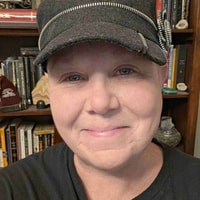
Aimee Shaw is a practicing shaman who began to be initiated as a young child. She is also a survivor of childhood abuse, suicide, domestic violence, and metastatic cancer. Aimee was a teen mother who raised three children well into adulthood, one of whom has autism. She now enjoys spending quality time with her five grandchildren and engaging in various creative endeavors.
**Leta Greene has been a professional speaker since 2010, speaking on confidence, resilience, and the Hotness Factor. She is the author of two best-selling books and host of the Share Your Hotness podcast. **
👉 Learn more about working with Leta: https://letagreene.com/
👉 Follow Leta on social media:
LETA GREENE
Instagram: https://www.instagram.com/leta_greene/
Facebook: https://www.facebook.com/leta.greene
TikTok: https://www.tiktok.com/@letagreene
LinkedIn: https://www.linkedin.com/in/hotness/
📧 Email Address: [email protected]
📲 Call or Text: 801-455-7364
Support The #ShareYourHotness Podcast by contributing to their tip jar: https://tips.pinecast.com/jar/the-syh-podcast
Find out more at https://the-syh-podcast.pinecast.co
Check out our podcast host, Pinecast. Start your own podcast for free with no credit card required. If you decide to upgrade, use coupon code r-5585e6 for 40% off for 4 months, and support The #ShareYourHotness Podcast.